In today’s competitive retail environment, creating a compelling in-store experience is essential for attracting and retaining customers. One of the most effective ways to achieve this is through retail display installation. Properly designed and professionally installed displays not only showcase products effectively but also guide customer behavior, enhance brand perception, and drive sales.
This article explores why retail display installation is a critical component of customer engagement, its benefits, best practices, and the impact on overall retail success.
Understanding Retail Display Installation
Retail display installation refers to the professional setup of product displays, shelving, racks, signage, and promotional units within a retail environment. It is more than simply placing products on shelves—it is a strategic process that considers customer behavior, store layout, and visual merchandising principles.
Types of Retail Displays
Retail displays can take many forms, each serving a unique purpose in the store:
- Point-of-Purchase Displays (POP): Located near checkout areas to encourage impulse purchases.
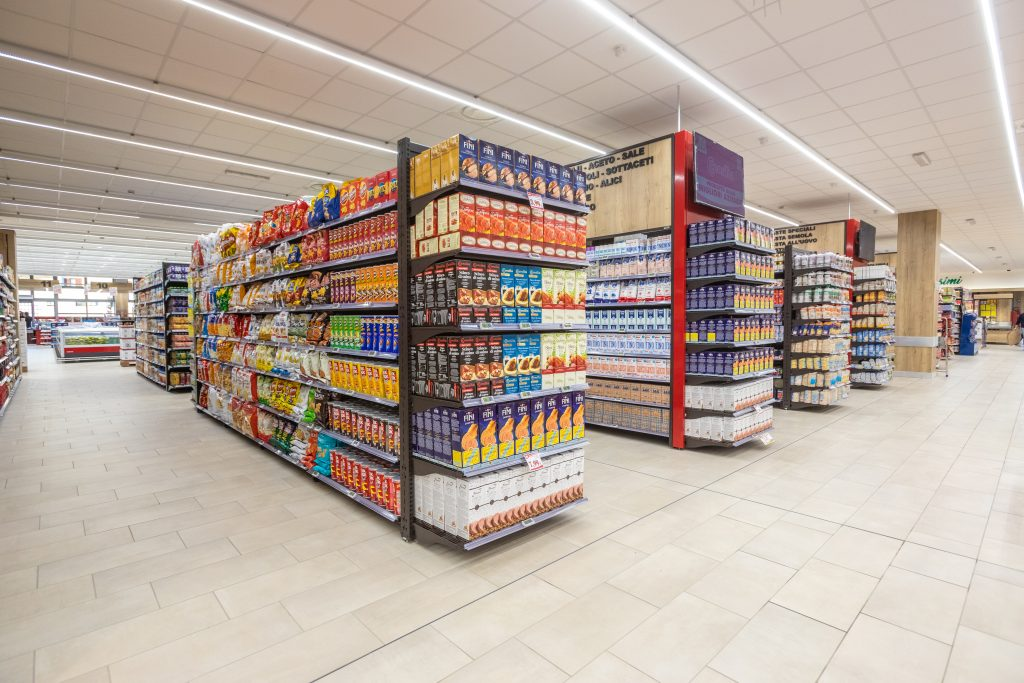
- End Cap Displays: Positioned at the end of aisles to attract attention and highlight featured products.
- Freestanding Displays: Placed in open spaces to create focal points and showcase new or seasonal items.
- Wall-Mounted Displays: Optimize vertical space while keeping products visible and accessible.
- Interactive Displays: Incorporate technology or product demos to engage customers directly.
Proper installation ensures that these displays are stable, visually appealing, and easy for customers to interact with.
How Retail Display Installation Enhances Customer Engagement
Professional retail display installation directly affects the way customers interact with products and the store environment.
1. Captures Attention
Eye-catching displays installed at strategic locations can immediately draw customers’ attention. By highlighting promotions, new arrivals, or seasonal products, retailers can create curiosity and encourage exploration.
2. Guides Customer Flow
Displays can influence the movement of shoppers throughout the store. Well-placed installations guide customers along specific pathways, exposing them to more products and increasing the likelihood of purchases.
3. Enhances Product Visibility
Properly installed displays ensure products are presented at the right height, angle, and lighting. This makes it easier for customers to notice, touch, and assess items, which directly improves engagement and conversion rates.
4. Creates a Memorable Experience
Retail display installation contributes to the overall store ambiance and brand identity. A well-executed display layout makes the shopping experience enjoyable, encourages longer visits, and fosters emotional connections with the brand.
5. Encourages Interaction
Interactive displays, such as touchscreens, product demos, or trial stations, require careful installation for functionality and safety. Engaging customers in hands-on experiences strengthens brand loyalty and increases the likelihood of repeat visits.
See also: 5 Advanced Digital Tools for Complex Case Study Formatting
Key Benefits of Professional Retail Display Installation
Investing in professional retail display installation offers multiple advantages for retailers, both operationally and strategically.
Increased Sales
By showcasing products effectively and attracting attention, displays drive purchases. Strategic placement of high-margin or promotional items can boost sales volume and profitability.
Brand Reinforcement
Consistent, well-designed displays reinforce brand identity and messaging. Customers associate the quality of displays with the quality of products, enhancing brand perception.
Operational Efficiency
Professional installation ensures displays are safe, sturdy, and compliant with store regulations. This reduces maintenance issues and downtime, allowing staff to focus on customer service.
Flexibility and Scalability
Retail display installation services often offer modular setups that can be adjusted for seasonal promotions, product launches, or store redesigns. This flexibility ensures that the store remains dynamic and engaging.
Customer Satisfaction
Displays that are easy to navigate, visually appealing, and interactive contribute to a positive shopping experience. Satisfied customers are more likely to return, recommend the store, and engage with promotions.
Best Practices for Effective Retail Display Installation
Maximizing the impact of retail displays requires careful planning, professional installation, and ongoing evaluation.
1. Strategic Placement
Identify high-traffic areas and eye-level zones for key products. End caps, entrance displays, and checkout areas are prime locations for engagement.
2. Focus on Visual Appeal
Use color, lighting, signage, and product arrangement to create visually attractive displays. Consistency with branding enhances recognition and builds trust.
3. Prioritize Accessibility
Ensure products are easy to reach, pick up, and examine. Avoid overcrowding displays or placing items too high or too low, which can discourage interaction.
4. Maintain Safety Standards
Displays must be stable, secure, and free from hazards. Proper installation prevents accidents and protects both customers and staff.
5. Incorporate Technology
Interactive elements such as digital screens or product demos can significantly increase engagement. Professional installation ensures these elements work smoothly and attract attention without obstructing traffic flow.
6. Seasonal and Promotional Adaptation
Update displays regularly to reflect promotions, seasonal themes, or new arrivals. Professional installation allows for efficient turnover without disrupting store operations.
Common Challenges and How to Overcome Them
While retail display installation offers clear benefits, retailers may face challenges:
- Limited Space: Use vertical displays, modular shelving, or wall-mounted units to maximize floor space.
- Inconsistent Layouts: Standardize display guidelines to maintain uniformity across locations.
- Maintenance Issues: Schedule regular inspections and repairs to keep displays functional and attractive.
- Customer Flow Disruption: Test different placements to ensure displays guide traffic without creating congestion.
Addressing these challenges proactively ensures displays remain effective and contribute positively to customer engagement.
Measuring the Impact of Retail Display Installation
Retailers can assess the effectiveness of display installation through:
- Sales Data Analysis: Monitor sales of products featured in key displays versus other areas.
- Customer Feedback: Collect insights on store navigation, visual appeal, and engagement with interactive displays.
- Foot Traffic Observation: Track movement patterns to evaluate how displays influence shopper behavior.
- Return on Investment (ROI): Compare installation costs against increased sales, brand visibility, and customer satisfaction.
These metrics help refine display strategies and improve overall store performance.
Conclusion
Retail display installation is a critical factor in driving customer engagement and enhancing the shopping experience. Properly installed displays attract attention, guide customer behavior, and encourage interaction with products. Beyond increasing sales, they reinforce brand identity, improve operational efficiency, and contribute to overall customer satisfaction.
Professional installation ensures that displays are visually appealing, safe, and strategically positioned, allowing retailers to maximize the impact of their merchandising efforts. In a competitive retail environment, investing in high-quality display installation is not merely a matter of aesthetics—it is a strategic approach to connecting with customers, building loyalty, and driving long-term business success.
To elevate your store’s merchandising and customer experience, contact us today to learn how our expert display installation services can make a difference.