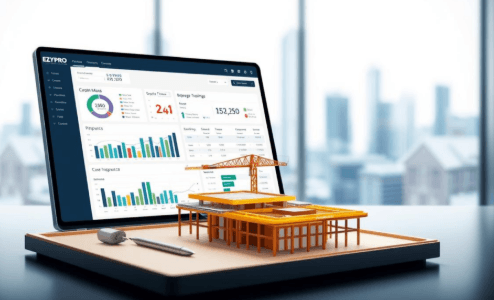
In today’s fast-paced construction industry, efficiency and organisation are paramount to the success of any project. With numerous tasks ranging from scheduling and budgeting to communication and resource management, construction professionals have been increasingly turning towards digital solutions to enhance their workflow. One such solution is construction project management software, which offers an effective means of streamlining processes and improving overall productivity.
The Evolution of Construction Project Management
Construction project management has evolved significantly over the last few decades. Traditionally, project managers relied heavily on manual methods, including paper-based documentation, spreadsheets, and face-to-face communication to coordinate projects. While these approaches have served their purpose, they often resulted in inefficiencies, miscommunication, and delays.
The rise of digital technology has transformed this landscape. Modern construction project management software provides a centralised platform where all aspects of project management can be handled in one place. This transition not only reduces administrative burdens but also enables teams to respond more swiftly to changes and challenges on site.
Key Features of Construction Project Management Software
Construction project management software is designed to address the myriad complexities associated with managing construction projects. Some of the essential features include:
- Scheduling and Resource Allocation: Tools for creating detailed timelines and assigning resources effectively.
- Budget Management: Enables real-time tracking of expenses and budget forecasting.
- Document Control: Secure storage and easy retrieval of project documents, plans, and contracts.
- Communication Tools: Facilitates seamless communication among all stakeholders.
- Risk Management: Identifies potential risks and incorporates strategies to mitigate them.
These features collectively contribute to enhanced coordination between teams and improved project outcomes.
Benefits of Adopting Construction Project Management Software
Integrating construction project management software into daily operations yields numerous benefits. Firstly, it improves accuracy by reducing human error associated with manual data entry. This precision is especially critical when managing budgets and project schedules where even minor errors can result in substantial cost overruns.
Secondly, such software supports better collaboration by providing a shared platform accessible to project managers, contractors, suppliers, and clients. Real-time updates ensure that all parties are informed immediately of any changes or issues, which helps in maintaining transparency.
Moreover, it enhances productivity by automating routine tasks and enabling project managers to focus on strategic decisions rather than administrative duties. The software can also generate comprehensive reports that assist in analysing project performance and identifying areas for improvement.
Choosing the Right Software for Construction Projects
Given the variety of options available in the market, selecting the right construction project management software can be a daunting task. Factors to consider include the scale of the projects, integration capabilities, user-friendliness, and cost.
For instance, some software solutions offer specialised modules tailored to particular types of construction, such as residential, commercial, or infrastructure projects. Others may provide extensive integration with accounting systems or customer relationship management tools, which can be beneficial depending on the organisation’s specific needs.
It is essential for firms to evaluate their workflow requirements carefully and opt for software that aligns with their operational goals while offering scalability as the business grows.
See also: Fire Risk Assessment: A Complete Guide for Businesses
Implementing Construction Project Management Software
The successful implementation of construction project management software requires careful planning and training. Organisations should begin by clearly defining their objectives and the problems they wish to solve with the software.
Engaging team members throughout the process is crucial for adoption. Providing adequate training and support ensures that users can leverage the full capabilities of the software, thereby maximising its benefits.
A Case for Construction Project Management Software
One very effective option in the market is construction project management software, offering comprehensive tools tailored to the unique demands of construction projects. This platform supports the entire project lifecycle, delivering features that facilitate efficient scheduling, budgeting, and team coordination.
By centralising project information and automating key processes, using such software enables construction teams to stay on schedule, manage resources more efficiently, and keep project costs within budget. The clear interface and real-time updates assist stakeholders in making informed decisions promptly.
Conclusion
Streamlining workflows in construction management is no longer a luxury but a necessity in order to remain competitive and meet client expectations. Construction project management software has become an invaluable asset in achieving this goal by enhancing communication, improving accuracy, and automating time-consuming tasks.
As the complexity of construction projects continues to increase, adopting such digital solutions can significantly contribute to the success and profitability of construction firms. Careful evaluation and thoughtful implementation will ensure that the selected software aligns with organisational needs, ultimately driving better project outcomes.