Winter has a way of slowing us down. As the days grow shorter and the nights stretch longer, many of us feel a shift. It’s not just the temperature dropping; our energy often drops with it. For some, this is just the “winter blues,” a mild sluggishness that makes getting out of bed a little harder. For others, it’s Seasonal Affective Disorder (SAD), a type of depression that follows a seasonal pattern.
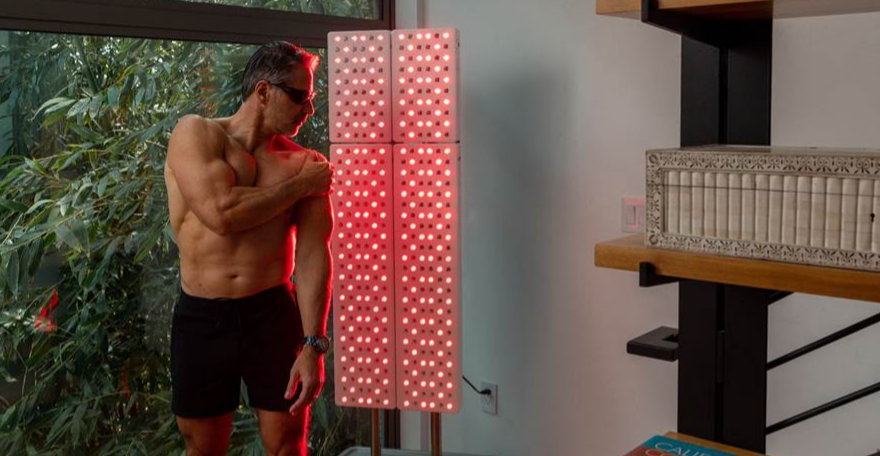
When sunlight becomes scarce, our bodies can struggle to regulate important hormones that control sleep and mood. This is where light therapy lamps come in. By mimicking natural outdoor light, these devices offer a simple, non-invasive way to trick our internal clocks into thinking it’s a sunny summer morning, even in the depths of December.
How does light therapy impact our circadian rhythm?
Our bodies run on a 24-hour internal clock known as the circadian rhythm. This rhythm dictates when we feel awake and when we feel sleepy, and it is heavily influenced by light. When light enters our eyes, it signals the brain to produce serotonin, a hormone associated with boosting mood and helping us feel calm and focused. As darkness falls, the brain triggers the production of melatonin, which helps us sleep.
During winter, the lack of bright morning light can confuse this rhythm. We might produce melatonin too early or too late, leaving us groggy in the morning and restless at night. Light therapy lamps work by delivering a high intensity of light—much brighter than standard indoor lighting—to simulate sunlight. Sitting in front of one of these lamps for a short period each morning can help reset that internal clock, suppressing melatonin and encouraging serotonin production right when you need it most.
What are the benefits of light therapy?
Using light therapy isn’t just about feeling less “sad.” It offers a range of physiological benefits that can improve your overall quality of life during darker months.
Regulating mood
The most well-known benefit is its impact on mood. By stimulating serotonin production, light therapy can help alleviate the symptoms of SAD and general winter gloom. It provides a biological lift that helps combat feelings of hopelessness or irritability often associated with seasonal depression.
Boosting energy levels
If you find yourself needing a second (or third) cup of coffee just to function in January, light therapy might be a better alternative. The bright light signals to your brain that the day has started, helping to shake off sleep inertia and increasing alertness naturally without the caffeine crash.
Improving sleep quality
It might seem counterintuitive to use bright light to help you sleep, but timing is everything. By exposing yourself to bright light early in the morning, you anchor your circadian rhythm. This helps ensure that melatonin production occurs at the correct time in the evening, making it easier to fall asleep and stay asleep.
How to choose a light therapy lamp
Not all lamps are created equal. To get the therapeutic benefits, you need a specific type of light. Here are the key factors to consider when shopping for light therapy lamps.
Brightness (Lux)
The standard recommendation for SAD is a lamp that provides 10,000 lux. Lux is a measure of light intensity. Standard indoor lighting is usually around 500 lux, which is far too dim to affect your circadian rhythm significantly. Ensure the lamp you choose is rated for 10,000 lux at a comfortable sitting distance.
UV filtering
Safety is crucial. You want the brightness of the sun without the harmful ultraviolet (UV) rays that cause skin damage. Look for lamps that are UV-free or block 99% of UV radiation.
Size and shape
Think about where you will use it. If you have a small desk, a compact, tablet-sized lamp might be best. If you want a wider field of light so you don’t have to sit perfectly still, a larger panel is a better choice.
How to incorporate light therapy into your routine
Consistency is the secret ingredient to success with light therapy. Here is a simple routine to get started:
- Start in the morning: Use your lamp as soon as possible after waking up. Using it in the evening can suppress melatonin and actually make it harder to sleep.
- Watch the clock: Aim for 20 to 30 minutes. You can eat breakfast, read, or check emails while you sit there.
- Position it correctly: Place the lamp about 16 to 24 inches from your face. The light should enter your eyes indirectly; do not look directly into the bulb.
- Be consistent: Try to use it every day through the winter season. Stopping abruptly can sometimes cause symptoms to return.
Are there potential side effects?
Light therapy is generally safe, but some people may experience mild side effects, especially when they first start. These can include:
● Eyestrain
● Headaches
● Nausea
● Irritability or feeling “wired”
If you experience these, try moving the lamp further away or reducing the time you spend in front of it. If you have bipolar disorder, existing eye conditions, or skin sensitivity to light, consult a doctor before starting light therapy, as bright light can sometimes trigger mania or aggravate certain conditions.
A brighter outlook for winter
You don’t have to just “get through” the winter. By understanding your body’s biological need for light, you can take control of your mood and energy levels. Light therapy lamps offer a scientifically backed, accessible tool to help keep your internal rhythm on track. With a little consistency, you can wake up feeling refreshed and ready to tackle the day, no matter how gray the sky is outside.