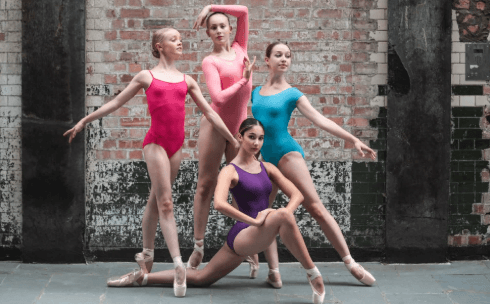
Dancewear is essential for dancers of all levels, providing comfort, flexibility, and the right appearance for each discipline. Among the most crucial pieces of dancewear are leotards, which come in various designs and materials suited to different dance styles. Selecting the perfect leotard involves understanding the specific requirements of each dance form, considering the fit, fabric, and style to ensure maximum performance and confidence.
Understanding the Role of Leotards in Dance
Leotards are a fundamental component of dance attire, serving both functional and aesthetic purposes. They allow unrestricted movement due to their stretchable fabrics, and they provide instructors with a clear view of the dancer’s posture and technique. Moreover, the right leotard enhances the dancer’s silhouette and complements the choreography, making it a highly versatile garment across various styles.
Key Factors to Consider When Choosing a Leotard
When selecting leotards, dancers should consider several essential factors. Fit is paramount; a leotard must be snug yet comfortable, allowing freedom of movement without excessive looseness or tightness. The choice of fabric equally influences comfort and durability — breathable materials that wick moisture are preferable for longer sessions. Additionally, the style and cut should align with the demands and aesthetic of the intended dance style.
Types of Fabrics Used in Leotards
Common fabrics include cotton, lycra, spandex, and microfiber blends. Cotton is soft and breathable but tends to absorb sweat and lose shape. Lycra and spandex offer excellent elasticity and durability, which are beneficial for high-intensity movement. Microfiber blends are popular for their moisture-wicking abilities, helping dancers stay cool and dry during practice.
Leotards for Ballet
Ballet requires attire that highlights a dancer’s form and allows fluid movement. Traditional ballet leotards are typically simple in design, often featuring a scoop or V-neckline with cap or tank sleeves. The fabric is usually lycra or a cotton blend to provide flexibility and comfort. Colours are often classical — black, white, or pastel shades — adhering to studio or company dress codes. Leotards with attached skirts or camisole styles are also common for rehearsals or performances.
Leotards for Jazz and Contemporary Dance
Jazz and contemporary dance often call for leotards with more versatile and fashion-forward designs. Dancers may opt for leotards with unique necklines, mesh panels, or cut-out designs that add style while maintaining functionality. The focus is on combining aesthetics and movement ease, so the fabric used is typically soft, stretchy, and breathable. Darker colours or bold hues are preferred to enhance stage presence.
Leotards for Tap and Musical Theatre
For tap and musical theatre, leotards often serve as a base layer beneath costumes but still need to provide support and mobility on stage. A well-fitted, less embellished leotard works best under elaborate costumes, allowing dancers to focus on their performance without wardrobe distractions. Fabrics should be moisture-wicking and durable to withstand energetic routines.
Leotards for Gymnastics and Acrobatic Dance
Gymnastics and acrobatic dance demand leotards that offer substantial support and coverage. High-cut legs combined with secure straps ensure stability during complex movements and tumbling. Many leotards in these disciplines also feature clasps or built-in bras for added support. Sparkling embellishments and vibrant colours are common for competition leotards, combining safety, comfort, and showmanship.
Importance of Proper Fit
Regardless of the dance style, a leotard that fits appropriately enhances performance and reduces the risk of injury. Too tight, and it may restrict blood flow or cause discomfort; too loose, and it might shift during movement, causing distraction or wardrobe malfunction. It is recommended to take accurate measurements and, where possible, try on several styles to identify the best fit.
Gender Considerations in Dancewear
While dancewear for women traditionally includes leotards, male dancers also require suitable attire. Male leotards or unitards are designed to accommodate different anatomical needs, providing comfort and flexibility. Many dancewear collections include options tailored to men, ensuring that every dancer has access to appropriate and functional clothing.
See also: The Rise of AI: Transforming Industries and Everyday Life
Care and Maintenance of Leotards
Proper care extends the life of leotards, ensuring fabric integrity and colour retention. It is recommended to hand wash or use gentle machine cycles with cold water and avoid bleach or fabric softeners. Leotards should be air-dried flat to maintain shape and prevent shrinking. Regular inspection for wear and tear can alert dancers to the need for replacements, maintaining safety and appearance during practice and performance.
Where to Find Quality Leotards
Dancers seeking reputable sources for their dancewear should consider specialised retailers offering extensive ranges to suit various styles. For example, dancers can explore wide selections of leotards that cater to different needs, materials, and fits. Shopping from established suppliers ensures access to high-quality garments designed specifically for dance disciplines.
The Role of Leotards in Dance Confidence
Wearing the right leotard not only supports physical performance but also contributes to a dancer’s confidence. Comfortable, well-fitting, and stylish leotards help dancers focus on technique and expression without distraction or discomfort. Furthermore, quality dancewear inspires discipline and a professional approach to practice, fostering greater dedication and passion for the art.
Conclusion
Choosing the perfect leotard is a critical step in preparing for any dance style. By understanding the specific requirements of ballet, jazz, contemporary, tap, gymnastics, or other dance forms, dancers can select garments that provide the optimal balance of comfort, flexibility, and visual appeal. Attention to fabric, fit, and design, along with proper care, ensures that leotards remain an indispensable part of a dancer’s wardrobe throughout their dance journey. Quality and specialised options are available from trusted retailers, supporting dancers of all levels in achieving their best performance.