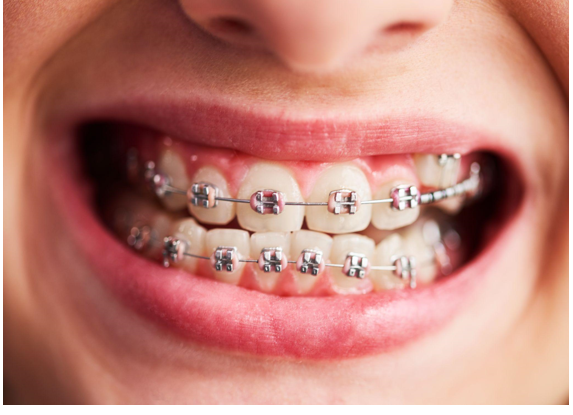
Clear aligners have gained wide attention in recent years, offering a removable and nearly invisible way to straighten teeth. Despite these advances, orthodontists continue to rely on metal braces when treating complex orthodontic conditions. While aligner systems can manage many types of tooth movement, certain situations still benefit from the mechanical control provided by traditional braces.
In clinical orthodontics, treatment decisions are based on the nature of the bite problem rather than patient preference alone. For severe malocclusions or complicated tooth movements, metal braces often provide the level of control needed to guide teeth into stable alignment.
Understanding Severe Malocclusions
A malocclusion refers to a misalignment of the teeth or jaws that affects how the upper and lower teeth come together. Mild cases may involve slight crowding or spacing, while severe malocclusions can include significant bite discrepancies.
Examples of more complex orthodontic problems include:
- Severe crowding where teeth overlap extensively.
- Deep overbites or open bites.
- Significant tooth rotations.
- Impacted teeth that require guided eruption.
- Skeletal bite discrepancies involving the jaws.
When these conditions are present, orthodontists must carefully control how each tooth moves. In many of these cases, metal braces remain one of the most reliable treatment options.
Situations Where Clear Aligners May Have Limits
Clear aligner systems are effective for many types of orthodontic correction. However, certain movements can be more difficult to achieve with removable aligners alone.
For example, rotating teeth that are heavily turned or adjusting teeth vertically may require greater mechanical control. In addition, cases that involve major bite correction often require sustained forces that are easier to manage with fixed appliances.
Because metal braces remain attached to the teeth throughout treatment, they can apply continuous and controlled pressure. This consistent force allows orthodontists to guide teeth in multiple directions with a high degree of precision.
While aligner technology continues to improve, orthodontists often consider the complexity of the case before deciding whether braces or aligners will be more effective.
Torque Control and Tooth Positioning
One of the major advantages of metal braces is their ability to provide precise torque control. In orthodontics, torque refers to the control of a tooth’s root position within the bone.
Brackets attached to each tooth work together with an archwire to guide both the crown and root of the tooth into proper alignment. This level of control is especially important when correcting severe bite issues or repositioning teeth that have shifted significantly.
Aligners can influence tooth movement, but controlling root movement with the same level of precision can sometimes be more challenging. For complex cases, orthodontists often rely on metal braces to achieve the desired positioning of both the teeth and their supporting structures.
Predictability in Complex Orthodontic Treatment
Orthodontic treatment requires careful planning and predictable outcomes. When managing complicated cases, orthodontists must consider how each step of treatment will influence the next.
Because metal braces remain fixed to the teeth, they allow orthodontists to make ongoing adjustments during treatment. Archwires can be changed, tightened, or modified to guide tooth movement gradually.
This flexibility helps orthodontists respond to how teeth actually move during treatment. If adjustments are needed, they can be made directly within the braces system.
With removable aligners, patient compliance plays a larger role in treatment success. Aligners must be worn for most of the day to maintain consistent pressure. When wear time is inconsistent, treatment progress may slow or become less predictable.
For severe malocclusions, orthodontists often prefer the controlled environment that metal braces provide.
The Evolution of Modern Metal Braces
Although braces have been used in orthodontics for many decades, their design has continued to evolve. Modern metal braces are smaller, smoother, and more comfortable than earlier versions.
Advances in materials and bracket design have improved how forces are delivered to the teeth. Many orthodontists now use refined bracket systems and advanced archwires that help guide tooth movement more efficiently.
These improvements allow braces to remain an effective treatment method even as newer technologies emerge.
Educational resources that explore orthodontic techniques, including materials shared through platforms such as Textbook Orthodontics, often highlight how traditional appliances and digital planning now work together in modern treatment.
See also: The Role of Nutritional Support in Modern Healthcare
Choosing the Right Treatment Approach
Orthodontists consider several factors when recommending a treatment method. These include the severity of the malocclusion, the types of tooth movement required, and the long-term stability of the results.
For mild or moderate cases, aligners may offer a convenient and discreet solution. For complex bite issues, metal braces often provide the level of precision needed to guide teeth safely and effectively.
In some situations, orthodontists may even combine treatment approaches. Braces may be used initially to address major movements, followed by aligners for finishing adjustments.
The goal in every case is to achieve stable alignment and a balanced bite.
Final Thoughts
While clear aligners have expanded orthodontic treatment options, metal braces continue to play an important role in managing severe malocclusions. Their ability to apply continuous force, control tooth movement, and allow detailed adjustments makes them well-suited for complex cases.
Orthodontic treatment is most effective when the chosen method matches the needs of the individual case. For many patients with challenging bite problems, metal braces remain a dependable tool for guiding teeth into proper alignment and supporting long-term oral health.